🤓 Smarty Pants
What the Bifido?
We're all aware of species extinction—rhinos, tigers, coral reefs. But did you know there's a quiet extinction happening inside your gut?
Meet Bifidobacterium, beneficial bacteria that babies are born with in abundance but most adults have lost. These aren't just digestive helpers, they're frontline immune defenders that calm dangerous inflammation before it spirals out of control. They decompose microplastics in your gut (yes, from all those water bottles), produce vitamins, maintain your gut barrier, and manufacture compounds that communicate directly with your brain.
But here's what research analysing thousands of stool samples reveals: people with severe illnesses—cancer, obesity, autoimmune diseases, neurological conditions—often share one troubling commonality. Little to no Bifidobacteria.
The crisis? We're losing them at an alarming rate. Antibiotics wipe them out indiscriminately. The Western diet, low in fibre, high in processed foods, starves them. C-section births, formula feeding, chronic stress, and aging all accelerate their decline.
The most concerning part? Once Bifidobacteria are gone, they're incredibly difficult to restore. Protecting your Bifidobacteria might be one of the most important health strategies you never knew you needed.
🔥 Deep Dive DL;TL
Which Is Worse: No Doctor or a Bad Doctor?
Here's a story I bet you haven't heard.
For anyone who truly cares about health, you need to understand how our healthcare system became so broken. Where did things go wrong?
Whilst I'm not exactly a fan of Rochelle Walensky (physician-scientist and former CDC director during COVID), we all need to listen to people we may find offensive or disagree with at times, because there are always messages we may learn from. And trust me, this story is one you need to hear.
This week's TL;DL comes from a fascinating Freakonomics Radio episode that dives into the physician shortage crisis—and uncovers a historical twist that might just change how you think about healthcare forever.
The Crisis We're Facing
By 2037, the United States is projected to be short 187,000 physicians. The population over 85 is set to triple by 2050, so that's 17.5 million people who'll need serious medical care. So whilst we're all living longer (which is brilliant!), the system meant to care for us is falling apart. And whilst this story is about the US, don't think for a minute, these challenges don't apply to a town near you.
Money, Money, Money
Aspiring doctors in the US today face crushing debt—around US$300,000 on average. In Australia, the story is not much different. Those who make it through? They're spending 6 hours a day staring at computer screens, then coming home to do what they call "pyjama time"—catching up on patient notes after dinner because there's simply no time during the day. Insurance companies deny treatments that doctors know their patients need. Medicine has become algorithmic, following protocols set by administrators rather than allowing doctors to use their clinical judgement. No wonder brilliant minds are walking away from the profession and heading into consulting, venture capital roles and finance.
How Did We Get Here? Enter the Flexner Report
Here's where the story takes a fascinating turn. In 1910, the Carnegie Foundation (yes, think Rockefeller money and influence) commissioned a report on American medical schools. They hired Abraham Flexner—a man with zero medical education experience—to evaluate 150 medical schools across the country. His recommendation? Keep only 31 schools. THIRTY-ONE! To train doctors for the entire United States.
By 1915, the number of medical schools had crashed from over 150 down to about 70. More than a dozen Black medical schools closed, leaving only two standing. The result? An estimated 30,000 fewer Black physicians than there could have been today. The knock-on effects of limiting access to medical education based on wealth and race are still reverberating through our system.
The System Isn't Healthcare—It's Sick Care
Here's where even Walensky admits the uncomfortable truth. In her own words:
"We talk about healthcare as if we pay for health. We actually pay for disease. We pay to treat diseases. We do very little to invest as a country in prevention interventions."
The system isn't designed to keep you healthy—it manages you when you're already sick. Prevention isn't just being ignored; it's being made virtually impossible for huge segments of the population.
What This Means for You
The day may come very soon where the doctor will not see you now. But here's the empowering truth: you have more control over your health than any doctor ever will. The choices you make every single day—when you wake up, what you eat, how you move, when you sleep—these are the real determinants of your health span and lifespan.
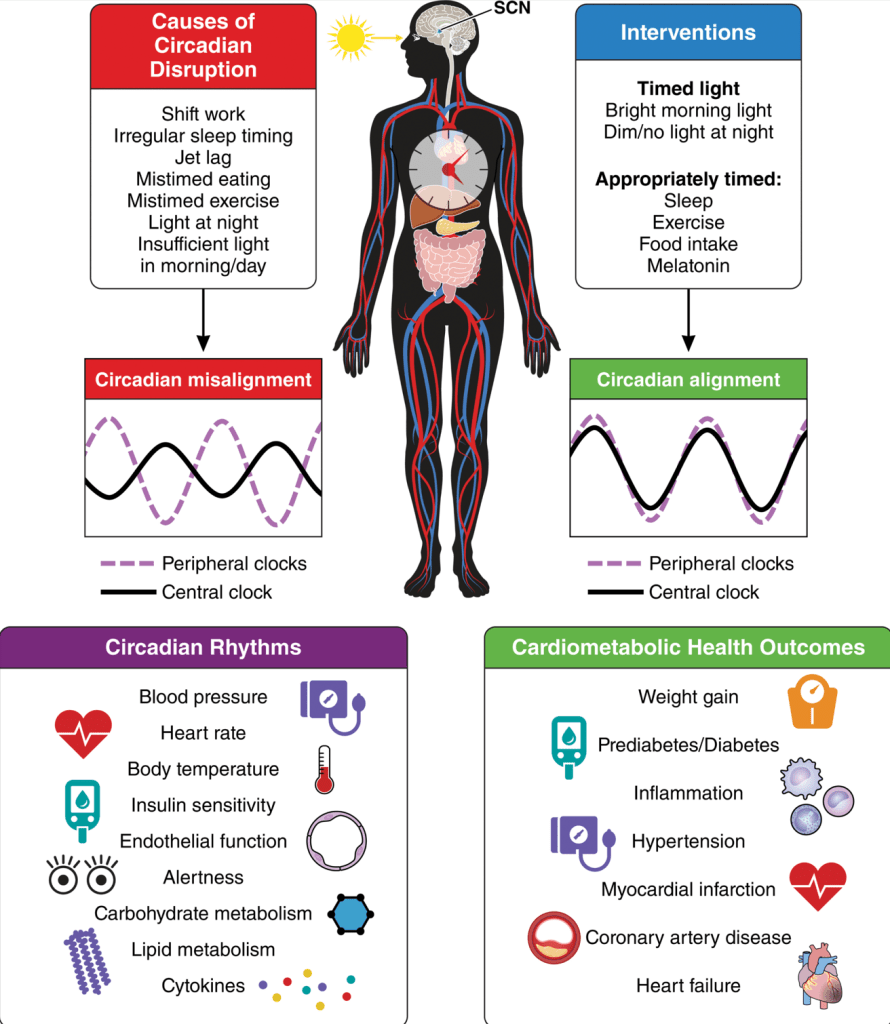
Prevention is everything. Align your circadian rhythms with nature. Move your body daily—remember, you have 160,000 kilometres of blood vessels that need to stay flowing. Prioritise your sleep because that's when your body repairs and regenerates. Connect with nature, even if it's just 20 minutes outside. Build your health literacy so you can make informed decisions about your body.
Today's crisis is teaching us that prevention beats intervention every single time. So when that day comes, and "the doctor can't see you now", you'll be grateful you learned to take care of yourself.
☀️ Sandy's Sunshine
How to Protect Your Bifidobacteria (Before It's Too Late)
Dr. Sabine Hazan is arguably the world's leading expert on gut microbiomes. She's spent years analysing thousands of stool samples so she knows her shit. Her message is clear and urgent:
"It's not about adding more bugs. It's about protecting the ones you were born with."
While most of us are walking around with microbiomes that are depleted, damaged, or downright dysfunctional, thinking a probiotic will save us, the truth is far from that. Prevention beats intervention every time. So today, let's focus on protection.
Here are 10 research-backed ways to safeguard your Bifidobacteria:
What Builds Bifido:
1. Sunshine on your abdomen stimulates Bifidobacteria growth (yes, really - get those bellies out!)
2. Vitamin D increases Bifidobacteria levels (another win for sunshine)
3. Vitamin C boosts these beneficial bugs (a squeeze of lemon in your water counts)
4. Sun exposure correlates with healthier microbiomes overall
5. Fermented foods like yogurt, kefir, sauerkraut, and kimchi feed the good bugs
What Destroys Bifido:
6. Chronic stress kills beneficial microbes faster than you'd think
7. Antibiotics, steroids, and acid blockers devastate Bifidobacteria populations
8. One course of antibiotics can take six months for your gut to recover
9. Oral methylene blue completely wipes out Bifidobacteria
10. Processed foods and sugar starve the beneficial bacteria while feeding the harmful ones
Why This Matters:
Microbiome damage isn't just a gut issue—it affects your brain, mood, immunity, and even fertility. When your Bifidobacteria are depleted, you're more vulnerable to viral infections, inflammation, and chronic disease.
The Bottom Line:
We're witnessing a microbial extinction event, and most people have no idea it's happening inside their own bodies. The good news? Simple daily habits can protect what you have.
Get sunshine. Manage stress. Avoid unnecessary antibiotics. Eat real, fermented foods. Your Bifidobacteria are counting on you—and so is your health.
It's time to #SaveTheBif and keep those bugs thriving.
🔢 Number Crunch
1 in 7 — The number of Australians on antidepressants (3.9 million people) - one of the highest rates globally.
And that's a wrap my friends! I hope you have a beautiful week ahead and if you have any questions, comments or feedback, please hit reply. I read every email.
P.S What did you think of today's newsletter? Let me know below ⬇️⬇️⬇️